


South Africa boasts one of the most extensive road transport networks in Africa including several routes considered among the most dangerous roads in South Africa. Managed primarily by the South African National Roads Agency Limited (SANRAL) along key freight corridors, these highways connect industrial powerhouses in Gauteng with primary maritime gateways like the Port of Durban and remote rural communities. Below, we look at 10 of the most dangerous roads in South Africa and the main risks drivers face on these routes.
For logistics companies, transport contractors, and field service operators, commercial vehicles — ranging from light delivery bakkies to multi-trailer interlink rigs — are the most important element of daily operations. However, driving conditions across the country carry high operational risks.
According to official figures released by Transport Minister Barbara Creecy and the Road Traffic Management Corporation (RTMC), South Africa recorded 11,418 road fatalities from 9,674 crashes in 2025. While this represented a welcome 6.4% reduction in overall crashes compared to previous years, the numbers highlight the severe environment commercial drivers face daily.
From steep mountain passes and bad road surfaces to hijackings and distracted driving, understanding where high-risk zones lie is essential for every fleet manager operating in South Africa.
Why are certain South African routes high-risk?
Several unique factors combine to make specific corridors prone to severe collisions:
- Freight Volume Migration: due to historic capacity limitations on Transnet’s rail network, billions of tonnes of cargo have shifted onto roads, saturating key highways with heavy commercial vehicles.
- Demanding Topography: steep inclines and sharp descents put immense stress on truck braking systems, particularly when carrying heavy loads.
- Microclimates and Poor Visibility: mountainous areas frequently experience sudden “black fog”, heavy mist, and torrential downpours.
- Infrastructure Degradation: while major toll roads remain well-maintained, secondary provincial roads suffer from severe potholes, eroded road shoulders, and missing road markings.
- Pedestrian and Stray Livestock Hazards: RTMC data shows that pedestrians accounted for over 40% of all road deaths in South Africa. In rural provinces, stray cattle and pedestrians walking on unlit roads pose constant hazards.
- Freight Crime & Truck Hijackings: commercial fleets face organized crime risks, including faked roadblocks, cargo theft, and truck hijackings at isolated stops or slow-moving incline zones.
What is the most dangerous road in South Africa?
While collision data changes yearly, traffic safety analysts, logistics experts, and insurance underwriters consistently single out the N3 Highway between Johannesburg and Durban as the country’s highest-risk freight corridor.
Carrying over 30% of South Africa’s heavy vehicle traffic, the N3 is the economic lifeline connecting Gauteng’s industrial heartland to the Port of Durban. The route’s most notorious bottleneck is Van Reenen’s Pass. Managed in part by the N3 Toll Concession (N3TC), this pass presents extreme elevation changes, freezing weather conditions in winter, mist, and high-speed differentials between descending trucks and fast-moving passenger cars.
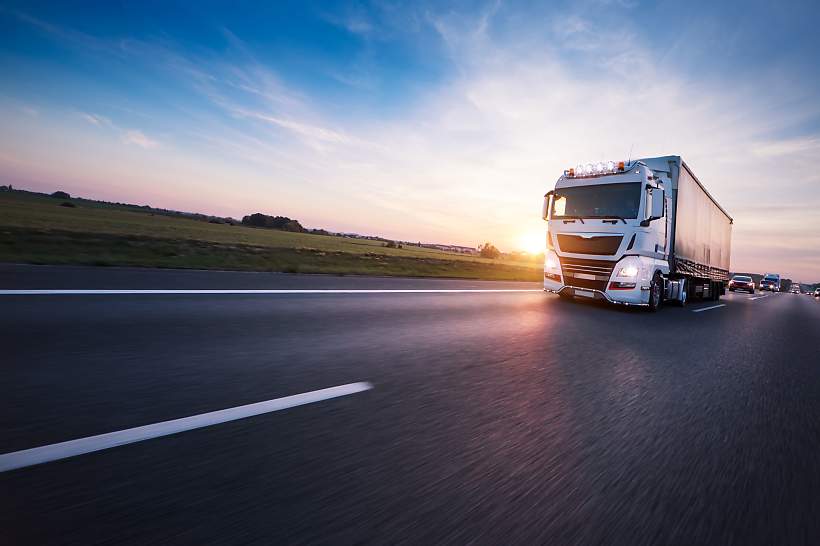
Top 10 most dangerous roads in South Africa
Based on crash frequency, freight density, and operational risk factors, these ten routes demand heightened vigilance from fleet managers and drivers alike:
1. N3 (Johannesburg to Durban)
As South Africa’s primary logistics backbone, the N3 handles thousands of heavy-vehicle trips daily between Gauteng’s industrial centres and the Port of Durban. The corridor’s most dangerous segment is Van Reenen’s Pass, where steep alpine descents and sudden microclimates—ranging from thick fog to winter black ice—frequently lead to runaway trucks, jackknifing, and high-speed rear-end collisions. Further south, the notorious Town Hill descent near Pietermaritzburg presents similar braking and runaway risks.
2. N1 (Cape Town through Jo’burg to Musina / Limpopo)
Stretching from the Western Cape to the Zimbabwean border, the N1 tests driver endurance. On the long, featureless stretches through the Karoo, driver fatigue and microsleeping are the leading causes of single-vehicle rollover crashes. Conversely, on the northern section between Mokopane and Musina, heavy freight traffic mixed with impatient drivers attempting hazardous overtaking manoeuvres leads to devastating head-on collisions.
3. N2 (Cape Town – Garden Route – Eastern Cape – KZN Coast)
Traversing four provinces, the N2 offers a constantly shifting set of hazards. Along the Western Cape and Garden Route, volatile coastal weather and heavy tourist traffic create unpredictable driving conditions. As the highway passes through the Eastern Cape and rural KwaZulu-Natal, the danger shifts dramatically toward high pedestrian density, un-fenced livestock wandering onto the tarmac, and violent truck hijackings near major urban bypasses.
4. R61 (Eastern Cape)
The R61 in the Eastern Cape has earned a reputation among transport operators as one of the country’s most hazardous regional routes. Characterized by narrow single-carriageway lanes, unpaved and eroding road shoulders, and a complete lack of night lighting, drivers regularly contend with stray cattle, unlit agricultural vehicles, and pedestrians walking directly alongside high-speed traffic.
5. N4 (Maputo Development Corridor: Gauteng to Nelspruit / Mozambique)
Connecting Gauteng’s industrial heartland to Nelspruit and the Mozambican border, the N4 is vital for mining and agricultural exports. The primary risk factor here is the sheer volume of heavy tippers and bulk ore carriers. On two-lane sections, slow-moving heavy rigs create long traffic queues, prompting light commercial vehicles and bakkies to make risky passing maneuvers in high-speed zones.
6. M1 (Johannesburg Urban Motorway)
Urban freight presents a different set of challenges, epitomized by Johannesburg’s M1 arterial. Carrying intense commuter and delivery traffic, this route experiences constant stop-and-go congestion. High levels of driver distraction—primarily mobile phone use in crawling traffic—frequently result in bumper-to-bumper rear-end collisions, while aggressive lane-merging at high speeds creates elevated accident rates during peak hours.
7. N12 (Mpumalanga Coalfields to Western Reef)
Serving the mining, energy, and agricultural sectors, the N12 sees heavy commercial vehicles sharing the road with local commuter traffic. Key hazards include un-tolled sections with severe asphalt rutting, sudden speed limit reductions near informal settlements, unexpected roadworks, and reduced visibility caused by winter veld fires and coal dust along the Mpumalanga mining belt
8. R573 (Moloto Road)
Tragically known as one of South Africa’s deadliest regional roads, the R573 connects Mpumalanga and Limpopo commuters to Pretoria. The road is heavily congested with high-speed commuter buses, minibus taxis, and local delivery trucks on a single carriageway without physical barriers. Reckless overtaking in low-visibility conditions makes head-on collisions a frequent occurrence on this corridor.
9. N17 (Gauteng to Ermelo / Eswatini Border)
Serving the industrial hub of Ekurhuleni and the coal-rich Mpumalanga Highveld, the N17 features a dangerous speed differential. Heavy, slow-moving mining haulers frequently enter and exit the highway from unpaved access roads, creating severe collision hazards for long-distance transport rigs travelling at higher cruising speeds.
10. R34 (Free State to Richards Bay)
Connecting the agricultural interior to the Port of Richards Bay, the R34 suffers from severe infrastructure degradation. Heavy timber and coal trucks have worn deep ruts and massive potholes into the asphalt. For fleet vehicles, swerving to avoid these surface hazards often leads to lost control, blown tyres, or damaged suspensions, making it a high-maintenance and high-risk route.
How fleet managers can mitigate high-risk road hazards
To lower accident rates and protect assets on dangerous routes, fleet operators must combine technology with driver training:
1. Deploy AI-driven telematics & in-cab dashcams
Modern fleet telematics go beyond simple GPS tracking. AI-powered dual-facing dashcams detect real-time driver distraction, fatigue (yawning, eye closure), tailgating, and harsh braking events, instantly alerting the driver inside the cab while notifying the fleet manager.
2. Optimize routing and vehicle health with a fleet management software
Managing route risks and maintaining vehicle health are two sides of the same operational coin—and both rely on an integrated software ecosystem.
A centralised Fleet Management Software platform empowers controllers to optimize journeys and safeguard assets simultaneously:
- Smart Route Optimization & Geofencing: controllers can steer drivers away from known accident hotspots, unmaintained provincial roads, and severe weather bottlenecks like Van Reenen’s Pass. Setting geofenced alerts ensures immediate notifications if a truck strays into high-crime or hijacking-prone areas.
- Proactive Maintenance Tracking: mechanical breakdowns on high-speed corridors like the N1 or N3 create severe safety risks. Connected fleet software automatically schedules preventive service tasks for brakes, tyres, steer axles, and trailer couplings based on real-time mileage and engine diagnostics before critical failures occur.
3. Build a security and defensive driving culture
Combine technology with practical driver coaching. Training should cover:
- Defensive Driving Techniques: managing downhill braking on passes like Van Reenen’s.
- Hijacking Awareness: keeping doors locked, avoiding unplanned stops at night, and maintaining safe turning room at traffic lights (robots).
- Fatigue Management: mandatory rest stops every 2 hours or 200 kilometres.
Taking action: protecting your fleet on South African roads
Understanding South Africa’s most dangerous roads is a critical requirement for any commercial fleet operator. High freight volumes, challenging topographies, deteriorating infrastructure, and crime risks make thorough preparation vital.
While routes like the N3, N1, and R61 present significant hazards, risks can be managed effectively. By combining proactive driver coaching with connected fleet technologies—such as telematics, AI dashcams, and predictive maintenance—fleet managers can protect their drivers, reduce operational costs, and keep South Africa’s supply chain moving safely.
 South Africa
 Chile
Chile Colombia
 México
 United States
 Australia
 New Zealand
 United Arab Emirates
 Belgique (Français)
 Česká Republika
 Danmark
 Deutschland
 España
 France
 Hungary
 Ireland
 Italia
 Nederland
 Österreich
 Polska
 Portugal
 Schweiz (Deutsch)
 Sverige
 United Kingdom