


When considering electric vehicle maintenance costs, it’s important to take into account several factors. Unlike traditional internal combustion engine (ICE) vehicles, EVs have fewer moving parts and don’t require regular oil and filter changes. Reduced maintenance may seem ideal for a fleet manager. However, it’s important to recognise that EVs have their own unique maintenance requirements. In this article, we will compare EVs and ICE vehicles and discuss how to effectively maximise the operations of your EV fleet.
Fuel and maintenance cost comparison: EVs vs ICEs
When comparing the service costs of electric vehicles to traditional petrol or diesel-powered vehicles, it’s essential to consider the entire vehicle lifecycle. While EVs may have higher initial costs, their lower maintenance requirements and reduced fuel expenses can result in significant long-term savings.
Fuel cost comparison
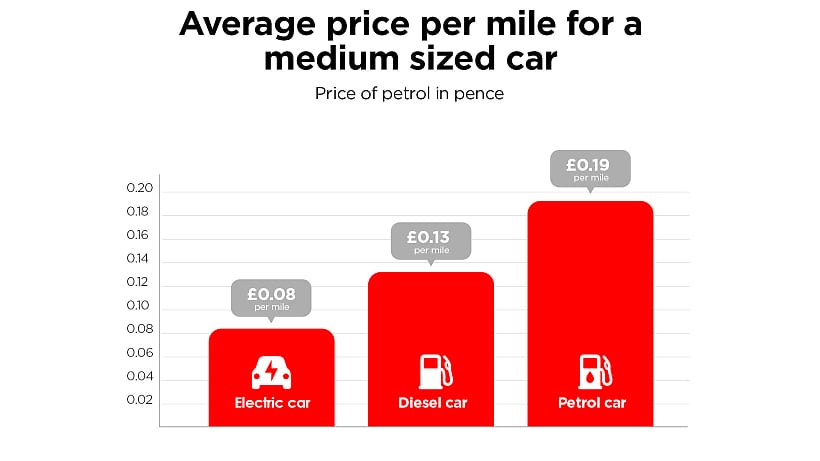
Electric vehicles can have significantly lower running costs compared to traditional petrol or diesel vehicles. By utilising home charging during off-peak hours, electric car owners can significantly reduce their running costs. However, if an electric vehicle relies solely on the public charging network, the expenses can be comparable to those of combustion engine vehicles.
Maintenance cost comparison
| Maintenance item | ICEs | EVs |
|---|---|---|
| Brakes | Brake pads typically replaced every 2-7 years. Brake fluid every 2-3 years. | Brake pads generally last around 2-3 times longer than those in an ICE due to regenerative braking. Brake fluid still requires periodic replacement every 2-3 years. |
| Engine | Yearly engine servicing, diagnostics, fluids and component maintenance required. | Electric motors tend not to require routine maintenance. |
| Oil and filter changes | Required at regular (e.g. yearly) service intervals. | N/A |
| Spark plugs, belts, exhaust | Require periodic inspection and replacement. | N/A |
| Traction battery | N/A | Battery typically designed to last many years, but battery health should be monitored continuously through the vehicle’s BMS. |
| Battery cooling system | N/A | Periodic maintenance of the battery cooling system and coolant replacement every few years. |
| Tyres | Regular rotation, balancing, alignment checks and replacement as worn. | Regular rotation, balancing, alignment checks and replacement as worn. Tyre wear can be faster due to higher vehicle weight and torque. |
Electric vehicle maintenance breakdown
Regular maintenance is crucial for ensuring the longevity and optimal performance of your electric vehicle fleet. Neglecting routine servicing can lead to premature component failure, reduced efficiency and increased downtime, ultimately impacting your bottom line.
Common maintenance needs for EVs
To maintain the health and performance of an electric vehicle battery, it’s important to follow several key practices. These include regular diagnostics, optimal charging habits, temperature management, high-voltage system inspections, and keeping the vehicle’s software up to date. Each of these practices plays a crucial role in ensuring the longevity and efficiency of the battery, as well as the overall safety of the vehicle.
- High-voltage system inspections are necessary to ensure the safety and performance of the electrical components. These inspections help identify and address any wear or damage in cables and connections, maintaining the overall integrity of the vehicle’s electrical system.
- Regular monitoring of the battery’s state of health (SOH) through diagnostics is essential. Performing software updates to the Battery Management System (BMS) helps retain the battery’s capacity and performance over time, ensuring it operates efficiently.
- Regenerative braking systems in EVs reduce wear on traditional brake components by converting kinetic energy back into stored energy. However, regular checks of brake fluid and pads are still required to maintain braking effectiveness and ensure safety.
Tyres: Special Considerations for EVs
Tyres are crucial for all vehicles. For electric vehicles, tyre choice is even more critical due to its direct impact on battery range. When selecting tyres for your EV fleet or personal use, opt for A-rated rolling resistance tyres. These high-quality tyres can significantly enhance your vehicle’s efficiency by:
- Reducing charging frequency
- Extending battery range
- Improving overall energy consumption
For instance, the Bridgestone TURANZA EV is specifically designed for electric vehicles. It offers extended mileage per charge without compromising tread life, thanks to its energy-efficient performance and low rolling resistance.
Tyre pressure can drop due to regular use or changes in temperature, while road debris and other hazards can causes cut, punctures and tyre damage. Monitoring tyre conditions is important to spot the first signs of any of these faults so you can take a vehicle out of use before underinflated tyres cause accidents or increase strain on other vehicle components. Find out more about tyre pressure monitoring systems.
Recommended service intervals: how often does an EV need servicing?
EVs typically require around one-third less routine servicing than fossil-fuel vehicles. However, this does not mean they are free from workshop visits. For safety and to maximise lifespan, EVs should be serviced at least once a year or every 15,000–20,000 km.
That said, rather than following prescribed service intervals, maintenance is more effective when it is guided by real-time vehicle health data. EV wear and tear can vary depending on usage, weather conditions and charging behaviour.
During an EV service, technicians usually inspect:
- The battery management system (BMS)
- Battery state of health (SOH)
- Battery temperature monitoring
- Battery cooling system performance
- Charging behaviour and battery diagnostics
- EV systems
- High-voltage system
- OTA software updates
- General maintenance
- Brake fluid
- Tyres and alignment
- Cabin filter
Safety when servicing an EV: precautions and best practices
EV maintenance requires careful procedures because high-voltage components can pose a risk of electric shock if not properly isolated. The first precaution to take, therefore, is de-energising the high-voltage system before starting any work.
Technicians should wear appropriate electrical PPE, use insulated tools and be aware of the fire risk presented by damaged or overheating batteries. It’s important to follow manufacturer-approved methods for towing crashed vehicles to avoid damaging the high-voltage system and to minimise electrical safety risks.
The role of telematics and fleet management software
For personal EV drivers, overnight charging avoids peak-time costs, but commercial fleets face more complex schedules. Managing over 10 EVs can be challenging without digital tools. Telematics systems like Webfleet simplify EV battery management by allowing real-time monitoring of charging sessions and battery health, which helps in maintaining optimal battery performance and longevity.
Webfleet also offers dynamic route planning based on battery levels and charger locations, ensuring efficient route completion and preventing battery depletion. It provides real-time updates on charger availability and integrates with over 500,000 public charging points, reducing downtime and ensuring timely charging. Fleet managers can analyse historical data to optimise charging strategies, monitor driving behaviour and manage energy consumption, all of which contribute to better battery maintenance and extended battery life. These features help maintain operational efficiency and reduce costs, ensuring EVs are always ready for use.
Legal/regulatory considerations
- Zero Emission Vehicle (ZEV) Mandate: since 2024, manufacturers must ensure a certain percentage of their new car and van sales are zero-emission, with targets increasing annually. To meet these quotas, manufacturers will likely offer promotions and price reductions, which will gradually lower the upfront costs of EVs. This, in turn, will reduce the Total Cost of Ownership (TCO) over time.
Read more about the ZEV Mandate >
- In April 2025, the scope of Vehicle Excise Duty (VED) expanded to EVs. New zero-emission cars will incur a £10 fee for the first year, followed by an annual charge of £190. Additionally, an “Expensive Car Supplement” of £410 will apply to EVs priced over £40,000. These costs should be factored into the Total Cost of Ownership (TCO) when considering the purchase of an EV, potentially making them less financially attractive compared to their current status. Buyers will need to consider these ongoing costs when evaluating the overall affordability of an EV. Despite the new taxes, EVs still offer long-term savings through lower fuel and maintenance costs compared to combustion engine vehicles, which can help balance out the increased tax burden over time.
- EU Battery Regulation: announced in 2023, the EU Battery Regulation (EU 2023/1542) is being phased in, introducing lifecycle requirements for EV batteries. Manufacturers and fleets will face an increased workload in tracking and reporting battery performance.
- Battery Passports: from February 2027, EV batteries sold in the EU will require a Digital Battery Passport that states battery characteristics, sustainability data and state-of-health information. With increased battery traceability, fleet operators can make more informed maintenance, resale and end-of-life decisions.
- Public charging infrastructure: drivers should see improving charging availability and more consistent charging standards thanks to the Alternative Fuels Infrastructure Regulation (AFIR) which began to apply in 2024.
For detailed legal advice on these regulations and their implications, fleet managers should consult with automotive legal specialists or industry associations.
Consult Webfleet experts
Ready to revolutionise your fleet’s EV maintenance strategy? Don’t let costs hold you back! Book a call with a Webfleet EV expert today and discover how our cutting-edge fleet management software can support the reduction in electric vehicle maintenance costs. Contact us now for your personalised consultation.
FAQs about the difference between EV and ICE maintenance
How often does an EV need maintenance compared to a traditional car?
EVs typically need maintenance less frequently than traditional vehicles due their lack of engine components. As with all vehicles, EVs’ maintenance needs depend on factors like usage and weather conditions, and so servicing intervals differ. However, as a ballpark figure, EVs require around one-third less routine servicing than fossil-fuel vehicles.
What are the key maintenance tasks for an EV?
When servicing an EV, technicians must inspect:
- The battery management system, including metrics like battery state of health (SOH), battery temperature monitoring and charging behaviour
- The EV systems, i.e. the high-voltage system and OTA software updates
- And other components such as brake fluid levels, tyres and alignment, and the cabin filter
Are EV maintenance costs lower than those for gasoline vehicles?
Yes, EV maintenance costs are typically lower than those of ICEs since they do not require engine oil changes and have no spark plugs, belts or exhaust system. Unlike ICE brakes, EV brakes are designed to recover energy via regenerative braking, resulting in less wear and tear.
Tyres are one area where EVs can experience faster wear than ICE vehicles due to their greater weight and instant torque. However, the additional tyre wear is generally not enough to outweigh the lower overall maintenance costs of EVs.
What safety precautions should be taken when servicing an EV?
Only specialised EV technicians should perform maintenance on EVs due to the risk of electric shock. A trained professional should always:
- Isolate the high-voltage system before starting any work
- Wear appropriate electrical PPE
- Use insulated tools
- Know the fire risk posed by damaged or overheating batteries
- Follow manufacturer-approved methods when towing or recovering vehicles to reduce electrical safety risks
What common checks do electric vehicles require?
EVs generally have fewer breakdowns than ICE vehicles, but it’s important to check in on these four components.
Tyres: EVs are heavier than ICEs and put greater pressure on their tyres, meaning rotation and alignment should be checked regularly, and that tyres may need to be replaced sooner.
Brake system: although brake-pads wear less quickly due to regenerative braking, EV brakes and brake fluid still need routine attention to ensure the vehicle can be brought to a halt safely, at any given moment.
Battery and thermal management system: check battery health to spot signs of degradation, inspect the cooling system to avoid overheating, and perform coolant maintenance to prevent reduced range and unexpected downtime.
Cabin air filter: cabin filters should be replaced periodically to prevent dust and pollutants from entering the vehicle, maintain cabin air quality and keep the HVAC system running efficiently.
How do software and battery maintenance factor into overall EV upkeep?
Batteries are what power EVs so it’s essential they are in optimal condition. This means monitoring battery health, temperature and charging behaviour to prevent early degradation, overheating and failure.
Software updates are less critical; an EV won’t stop working just because it’s not running on the latest software. That said, outdated programmes can lead to reduced range, missed bug fixes, limited cybersecurity protection and delayed fixes for charging or battery-management issues.

 South Africa
 Chile
 Colombia
 México
 United States
 Australia
 New Zealand
 United Arab Emirates
 Belgique (Français)
 Česká Republika
 Danmark
 Deutschland
 España
 France
 Hungary
 Ireland
 Italia
 Nederland
 Österreich
 Polska
 Portugal
 Schweiz (Deutsch)
 Sverige
 United Kingdom